What Causes Poor Water Pressure?
Weak water flow from sinks, showers, or appliances can turn simple tasks into daily frustrations. Low water pressure can stem from several different issues, ranging from something as simple as a clogged showerhead to more serious problems inside the main supply lines. Understanding where the issue starts, e.g., at a single fixture, with system valves, or within hidden piping, helps narrow down the likely cause. This overview explains what causes poor water pressure, highlighting faulty fixtures or closed valves, potential water leaks, and clogs or buildup inside supply lines.
Faulty Fixtures or Closed Valves
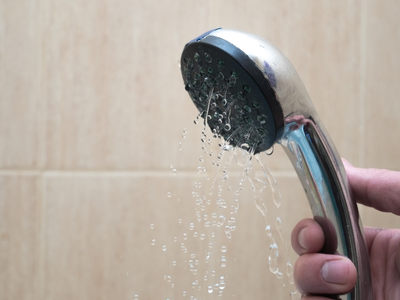 When only one faucet or showerhead delivers weak flow, the issue often lies with that single fixture rather than the entire house. Mineral deposits, rust, or debris can clog tiny passages in aerators and cartridges, gradually restricting water pressure at that location. In many cases, cleaning or replacing the affected tap or showerhead restores normal performance.
If low water pressure shows up across multiple rooms, attention should shift to system controls such as the main water shutoff valve or the water meter valve. A partially closed or damaged valve can choke the incoming supply and create poor water pressure everywhere in the building.
Water Leaks
 Another common culprit behind chronically low water pressure is a hidden leak in the supply piping. When pressurized water escapes through a crack, loose joint, or corroded fitting, less flow remains available for fixtures, so showers and faucets may seem weaker than usual. Signs of a possible water leak include damp spots on walls or ceilings, unexplained puddles, sounds of running water behind surfaces, or a water bill that climbs without an obvious reason. Professional testing and water leak repair can seal problem areas, restore normal pressure, and prevent further structural damage.
Clogs and Buildup
Years of mineral‑rich water moving through pipes can leave layers of scale and sediment behind. Over time, this buildup narrows the internal diameter of the pipe, much like plaque in an artery, and the restriction lowers available water pressure. Older galvanized steel lines are especially prone to internal corrosion that flakes off and forms stubborn clogs at elbows, tees, and shutoff points.
In advanced cases, sections of pipe may require replacement to remove the clog and restore healthy flow throughout the plumbing system. Regular inspections by a licensed plumber help identify early signs of buildup, so targeted cleaning or repiping can prevent severe low water pressure problems.
About Jim Wagner Plumbing, Inc.
Jim Wagner Plumbing, Inc. provides top-rated plumbing, heating, and air conditioning services to the Lombard community and surrounding areas. They offer on-time service from trusted technicians, with a no-mess-left-behind guarantee. Call them today for water leak detection services in Lombard, IL.